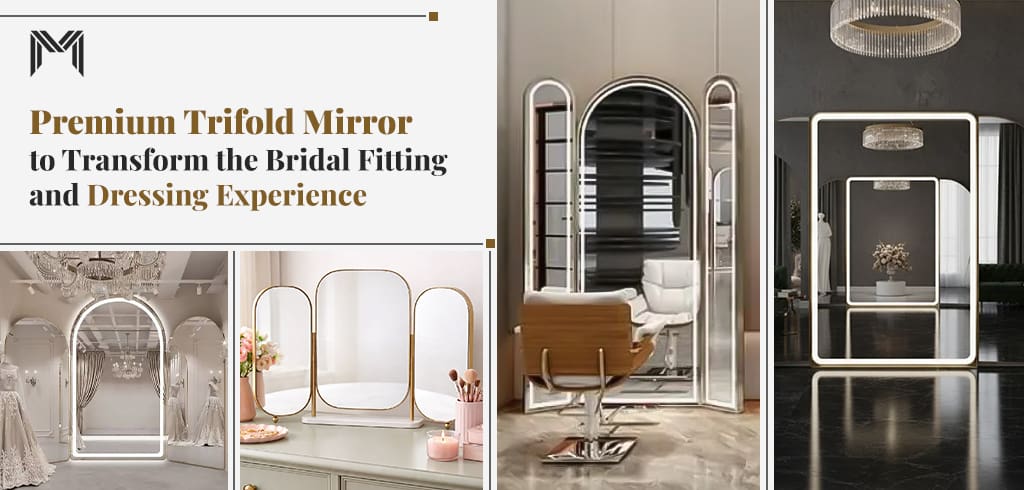
In design projects, mirrors do far more than reflect – they actively shape how spaces feel and function. Each environment has its own rhythm and purpose, and a carefully chosen mirror can highlight those qualities, bring balance, and solve challenges that traditional décor can’t.
For professionals working across commercial sectors, custom mirrors become versatile tools that combine functionality with design intent.
Commercial Spaces:
Reception is the handshake of a corporate space. Custom statement mirrors instantly elevate first impressions by reflecting both natural and artificial light, making entrances feel brighter and more welcoming.
Frameless designs pair well with sleek, modern offices, while warm, framed mirrors suit boutique firms where personality and intimacy are key. Beyond aesthetics, they quietly communicate brand identity and professionalism.
- Conference and Meeting Rooms: Function Meets Flow
In meeting areas, mirrors expand perceived space and create a more comfortable atmosphere. Wall mirrors in smaller rooms visually enlarge the setting and reduce dependence on artificial lighting by reflecting daylight.
When chosen carefully, they help establish a balanced, harmonious environment that supports focus and collaboration – key outcomes in professional spaces.
- Retail Spaces: Shaping Experience and Guiding Flow
Retail interiors benefit enormously from mirrors, not only for fitting rooms but also as part of the storytelling. Floor-to-ceiling designs in boutiques enhance the sense of space, while geometric or sculptural mirrors become artistic accents on feature walls. They guide sightlines, amplify product displays, and invite exploration, subtly enriching the customer journey while reinforcing brand positioning.
- Hospitality Projects: Atmosphere as Luxury
In hotels, restaurants, and wellness facilities, mirrors play both aesthetic and functional roles. Large-scale designs in lobbies or corridors create drama and memorability, while dining room mirrors reflect lighting, décor, and movement to add energy and depth.
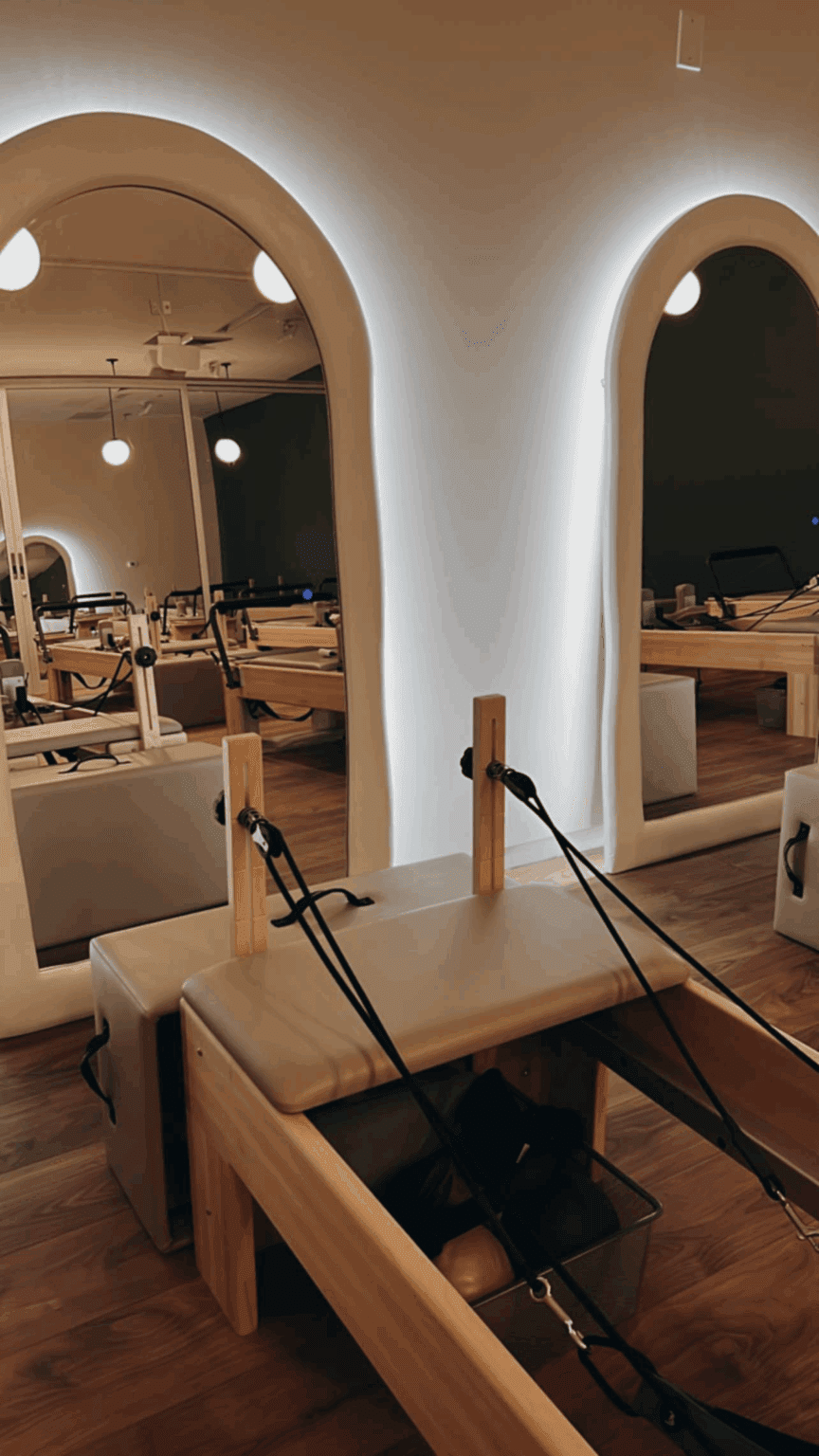
In spas, softer, light-enhancing pieces bring calmness and expand the sense of wellness. High-quality frames or sculptural installations in hospitality projects not only complement architecture but also elevate the perception of sophistication and attention to detail.
- Commercial Corridors and Waiting Areas: Solve Practical Challenges
Narrow hallways, elevators, and waiting lounges often present spatial challenges. Custom mirrors reduce the sense of confinement, provide subtle wayfinding cues, and create a polished atmosphere. In these transitional spaces, mirrors go beyond decoration, offering a design-led solution that improves flow while reinforcing a professional, cohesive look.
Residential Spaces:
- Living Rooms: Create Energy and Conversation
Mirrors in living rooms do more than decorate – they shape how guests experience the heart of a home. A large bespoke piece above a fireplace or behind a sofa reflects both light and movement, making the space feel dynamic and alive.
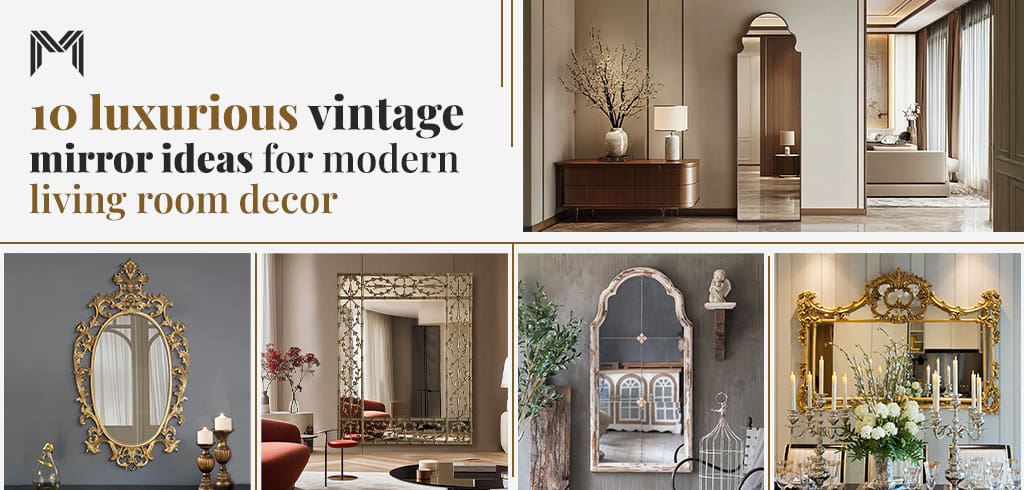
Decorative wall mirrors arranged as a cluster can double as statement art, sparking conversation while adding character. With thoughtful placement, mirrors create warmth, sophistication, and a sense of flow for gatherings.
- Bedrooms: Calm Meets Elegance
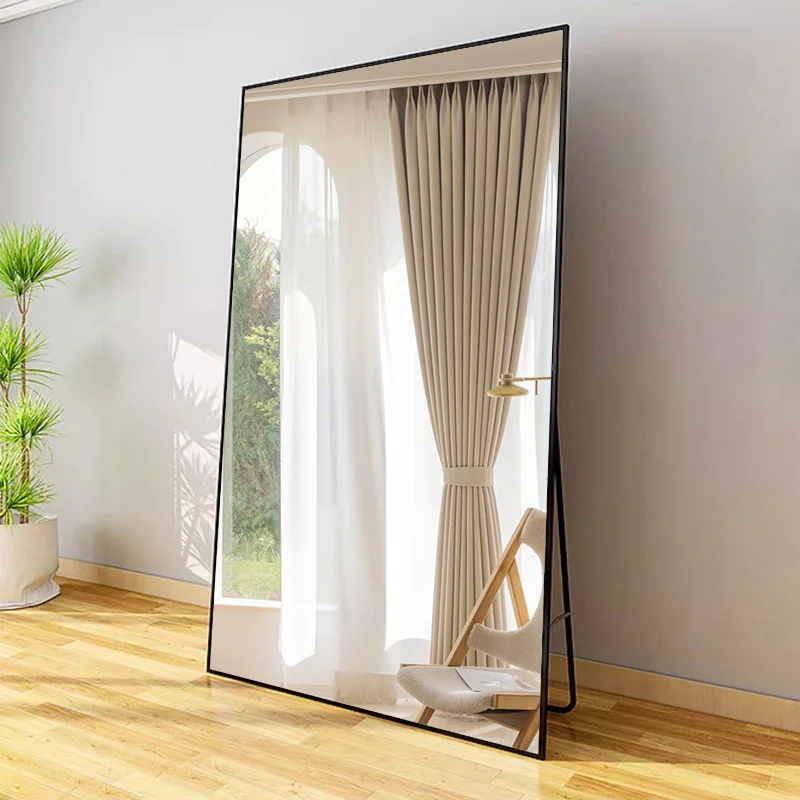
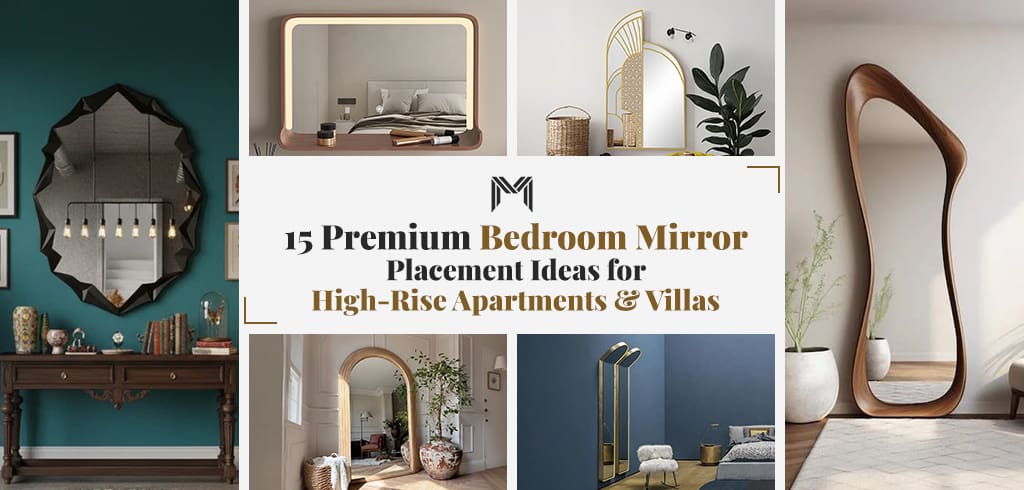
Bedrooms thrive on balance and tranquility. A customized mirror above a dresser brings both function and grace, while full-length designs extend visual depth and make the room feel more open. Finishes like soft metallics or minimal frameless edges add intimacy without losing refinement. In personal sanctuaries, mirrors quietly reinforce calmness and understated luxury.
- Bathrooms: Light, Space, and Function
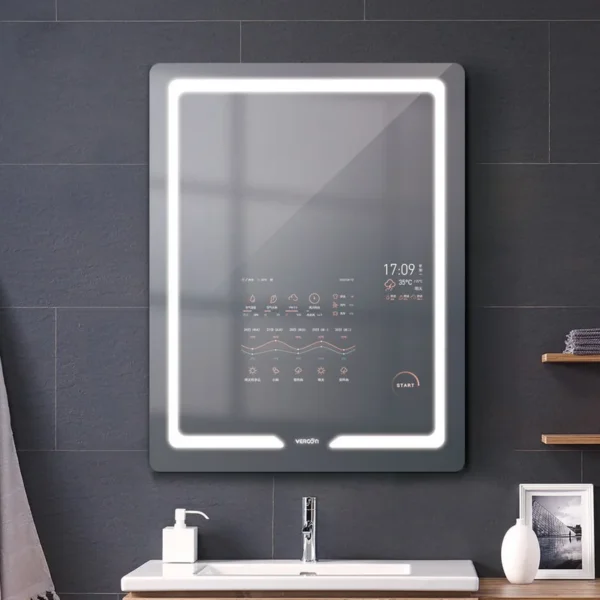
In bathroom design, custom mirrors seamlessly merge utility with style. A tailored vanity mirror supports daily routines while visually enlarging compact layouts. Placing mirrors opposite light fixtures multiplies brightness, reduces shadows, and adds a spa-like atmosphere.
For longevity, moisture-resistant finishes are key, ensuring durability without sacrificing design. The result: a bathroom that feels less utilitarian and more like a retreat.
- Dining Areas: Build Drama and Depth
Dining rooms benefit from the reflective drama of a well-placed mirror. A large customized piece amplifies lighting and table arrangements, creating depth and energy during meals. When paired with chandeliers or pendants, reflections elevate the setting and add a sense of luxury – turning dinner into an experience rather than a routine.
- Hallways and Entryways: First Impressions That Last
Often overlooked, narrow hallways and entryways are prime spots for transformation. A tall mirror at the end of a hallway creates the illusion of greater depth, while decorative pieces in the entry serve as both functional check-in points and bold design features.
For homeowners, it’s a way to maximize limited space; for designers, it’s an opportunity to create lasting first impressions through subtle yet powerful design tools.