Factors To Choose Commercial Custom Mirrors
Selecting the right mirror for a commercial space is a decision that blends art, function, and brand identity. You need to think beyond the surface. Every choice affects how people experience the environment.
With hyper-customized, you have the freedom to align every detail with your client’s vision. Before choosing mirrors to enhance commercial interiors for your next project, look at these 5 critical factors. We have presented these points considering the
mirror trends of 2025 and beyond:
1. Style and Aesthetics
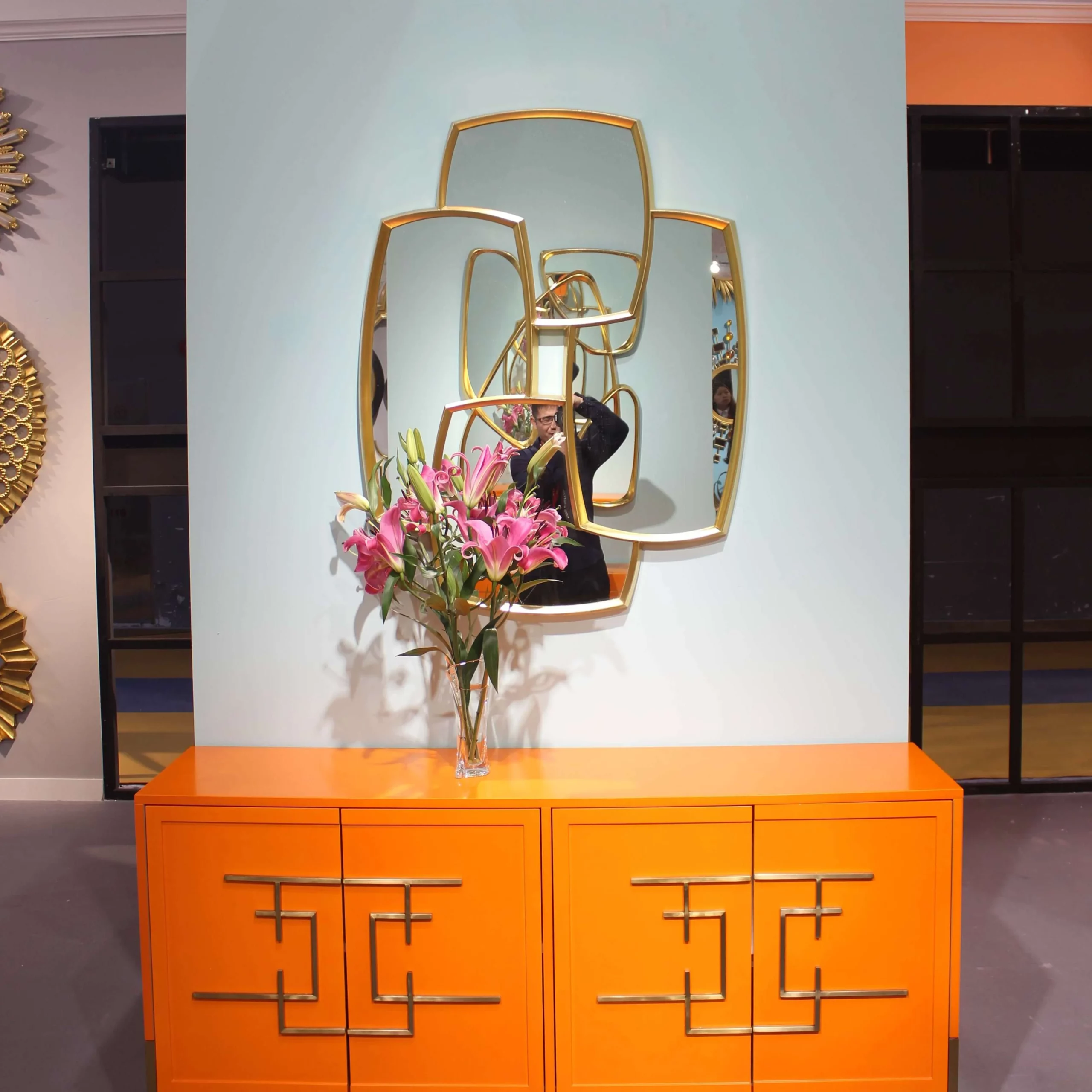
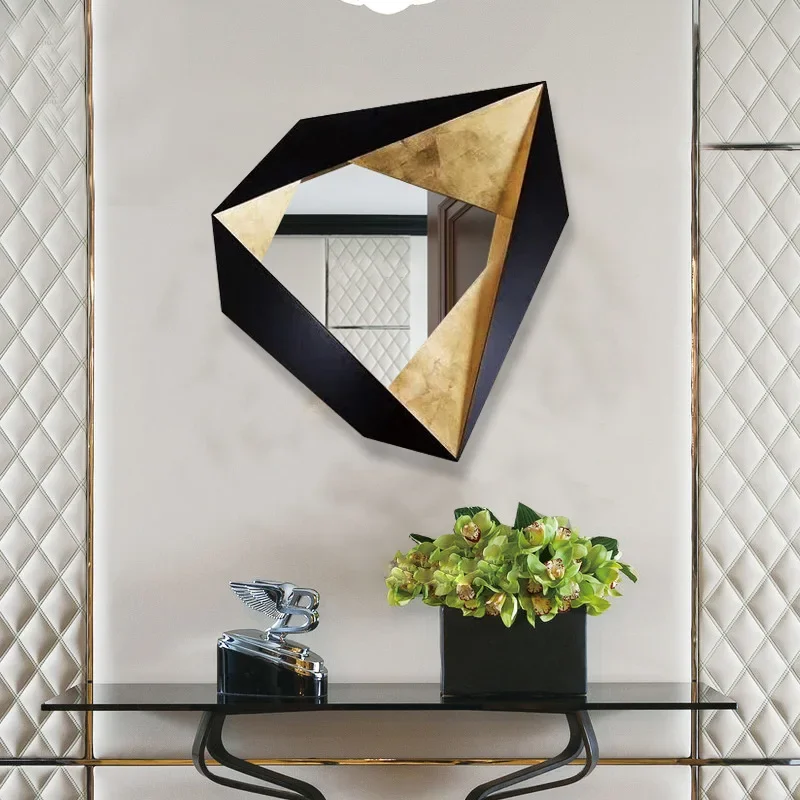
Your mirror should echo the design narrative of the space. In a luxurious retail boutique, a curved bronze-framed mirror can feel soft and inviting. For a tech headquarters, a geometric chrome design communicates precision and innovation.
In this regard, every contour, edge detail, and finish must be intentional. Upon considering bespoke pieces, you can align scale, proportion, and material with the project’s architectural rhythm. It ensures the mirror feels like part of the original design plan.
2. Functionality and Practicality
A mirror should work as hard as it looks. In commercial settings, it can guide customer flow, create visual depth, and even improve task efficiency. A well-placed design in a boutique directs attention to key displays. However, in a spa, it fosters a sense of openness and calm. For high-traffic zones, features such as reinforced backing or moisture resistance ensure the mirror remains flawless despite constant use. When aesthetic and purpose operate in balance, your design investment retains performance over time.
3. Mirror Types and Features
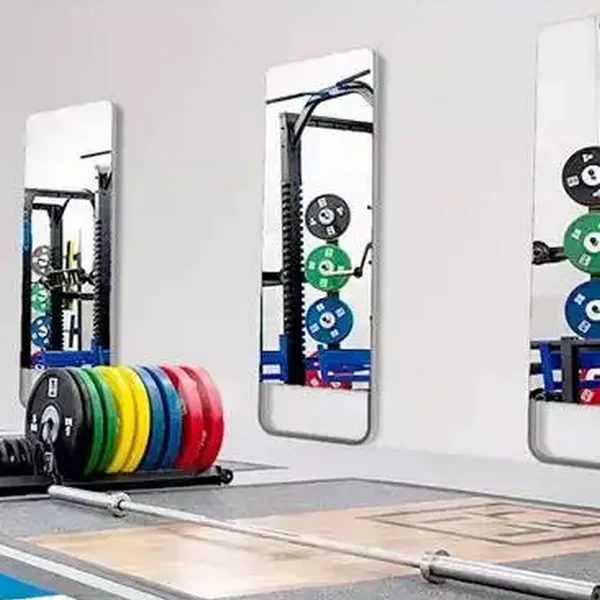
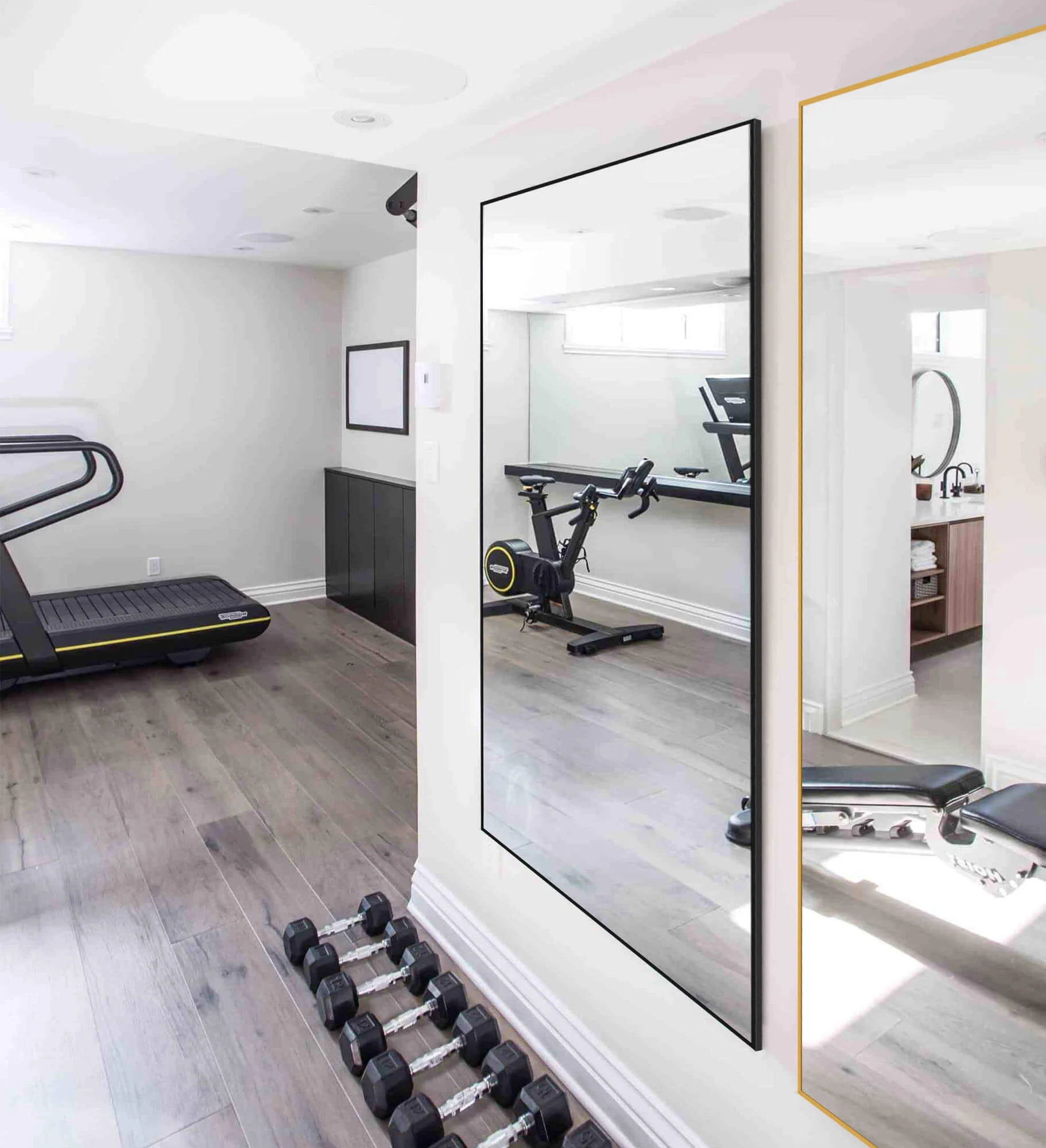
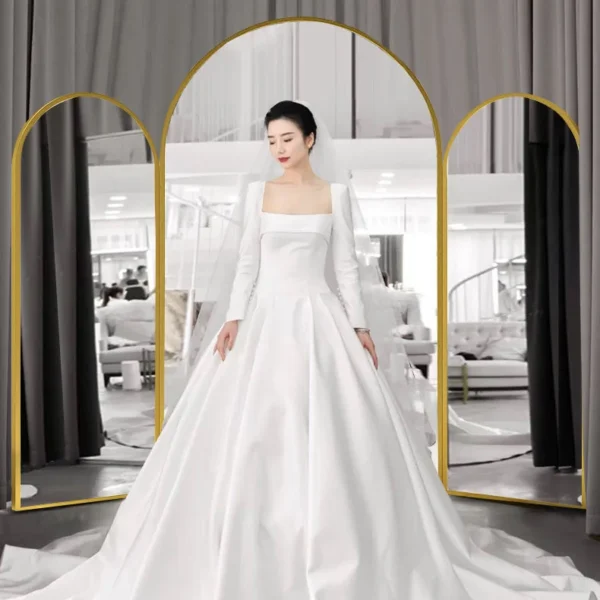
Not all mirrors serve the same purpose. You might need large wall-mounted panels for hotel lobbies, or full-length arched mirrors for fashion showrooms. Features like integrated lighting, digital displays, or etched branding can add both convenience and storytelling potential. When you match the mirror type to the space’s function, you create harmony between design and utility.
4. Customization Options
Customization is where purpose-built mirrors truly shine. You can specify dimensions down to the millimeter, select suitable frame materials, or add brand-specific elements like engraved patterns.
Keeping such minute details in mind, it’s seamless to produce a mirror that doesn’t just fit physically but also aligns with the emotional and sensory experience you want to create for the end user.
5. Installation Considerations
A well-chosen mirror can lose its impact if poorly installed. We recommend that you consider wall structure, weight distribution, safety codes, and access for maintenance before finalizing your design. In large-scale projects, coordinate with contractors early to plan mounting systems, wiring for backlighting, and other protective measures.
Proper installation safeguards your investment and makes sure the mirror integrates seamlessly into the space.